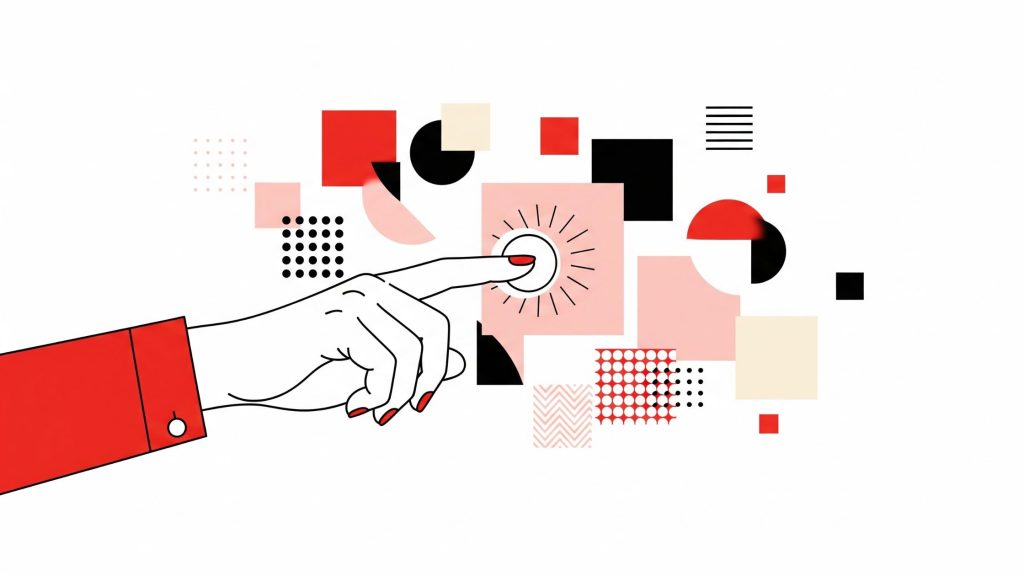
Artificial intelligence (AI) is making its mark across all sorts of industries, and the design industry is no exception! You might have noticed that more and more, AI-powered ssistants are being built and integrated right into design software.
They can certainly help with everything from smoothing out everyday tasks to even inspiring brand-new creative ideas. It’s a fascinating evolution, and understanding how these AI tools fit into the design landscape is becoming a key conversation for everyone. Whether you’re a seasoned professional, a design enthusiast, or just beginning your design journey, it’s worth exploring the evolving role of AI within the creative process.
boosting efficiency and sparking creativity
One of the most remarkable aspects of using AI in design is how incredibly efficient it makes everything. Think about it: these clever tools can take care of all those tedious, time-consuming jobs you might dread. We’re talking about resizing images, removing backgrounds, generating tons of different layout ideas, and even fixing tiny imperfections, all in a flash. This lets designers off the hook from the grunt work, freeing them up to focus on the strategic and creative aspects of their projects. For businesses, that means getting campaigns out the door much faster and being super flexible with their brand.
But it’s not just about speed, Artificial Intelligence is also a fantastic spark for new ideas and a real boost for creativity. Take Generative AI, for example. It can generate a variety of design concepts, colour schemes, and styles in a couple of seconds, much faster than any designer could come up with on their own. This means designers can quickly try out new ideas, tweak things on the fly, and stumble upon totally unexpected solutions, really pushing the limits of traditional design. Beyond that, such tools can contribute to brainstorming sessions, providing intelligent, data-driven ideas and fresh viewpoints that you might otherwise overlook.

widening the design circle
What’s truly exciting is how much these tools have opened up visual creation for everyone. User-friendly AI design platforms and tools, such as Adobe Firefly, Imagen, Midjourney, and DALL-E, are providing people without formal design backgrounds with a way to create visuals. Whether it’s generating unique images just from text descriptions or automatically suggesting design elements, these tools really lower the bar for creating content. This means small business owners and marketing teams can come up with high-quality visual elements quickly and without breaking the bank. It’s like democratising design, letting more people across different teams get involved in the creative process.
On top of all that, these intelligent tools can assist with data-driven personalisation and brand consistency. By analysing large amounts of information, they can help tailor designs to specific audiences, aiming for greater relevance and impact.
untangling AI’s impact: from roles to rights
Even with all its fantastic upsides, incorporating such tools into design isn’t without its challenges and big questions. One of the main worries swirling around is how it might reshape the roles of designers. As these tools become increasingly sophisticated, particularly in handling routine tasks, there’s a concern that the landscape for designers could undergo a significant shift, leading to increased competition within the industry.
Then there are the big ethical and legal puzzles, especially when it comes to ownership – we’re talking about intellectual property and copyright. Many AI models learn from vast collections of art and designs created by creative professionals and made available online, which raises questions about whether this data was used fairly and with permission. If an AI creates a design, who’s the owner? Is it the person who typed in the request, or the company that made the tool? We’ve already seen real-world examples that show just how complicated this ownership thing can be.
Additionally, these tools can sometimes pick up on hidden biases from its training data, leading to designs that may be unintentionally insensitive or incorrect for different cultures, or even reinforce harmful stereotypes. And let’s not forget the rise of “AI slop” – essentially, those AI-generated images that can sometimes feel a bit generic, a bit boring, or just downright strange AI-generated pictures. This highlights how things can go wrong without a human eye to guide them. Think about those questionable AI-generated ads or brand visuals that miss the mark, sometimes sparking a significant backlash and even damaging a brand’s reputation.

guarding our creative spark
There’s also a concern about losing that creative joy and the unique human touch. If we lean too heavily on AI, designers might find their creativity restricted, resulting in work that feels bland, lacks emotion, or lacks that special artistic flair. While AI can definitely help us by offering data-driven insights, it still struggles with tasks such as abstract thinking, understanding emotions, and making moral judgments, which are often at the heart of truly impactful design.
As design expert Paula Scher wisely puts it, AI is simply a tool, not something to be afraid of. It’s not about Artificial Intelligence completely replacing designers. Instead, it’s about designers shifting their role from being just ‘makers’ to becoming ‘curators’ and strategic thinkers who guide these new AI tools. This partnership has the potential to enhance human creativity, not stifle it.
looking ahead: design’s future with AI
There’s no doubt that Artificial Intelligence is revolutionising the design landscape, offering incredible opportunities to make things extremely efficient, spark new creative ideas, and even make design more accessible to everyone. However, like any powerful tool, it also presents significant ethical, legal, and creative challenges that we must consider carefully. For both seasoned design professionals and those just stepping into the field, it’s essential to grasp Artificial Intelligence’s incredible potential and the intriguing challenges it brings. Understanding these aspects will keep us informed and prepared for the future of design, which will be an incredible partnership, where our uniquely human creativity, clever strategies, and good judgment will continue to lead the way, dramatically enhanced by the capabilities of Artificial Intelligence.
Contact us today to learn more about how AI can transform your business.

share this article:
read more



our work

Wine.mt: uncorking a modern brand identity
Public Service Expo Village 2025: a vibrant showcase of public service excellence
Aurelio AI: crafting a visual identity for real-world AI innovation
Risette: crafting a digital gastronomic experience
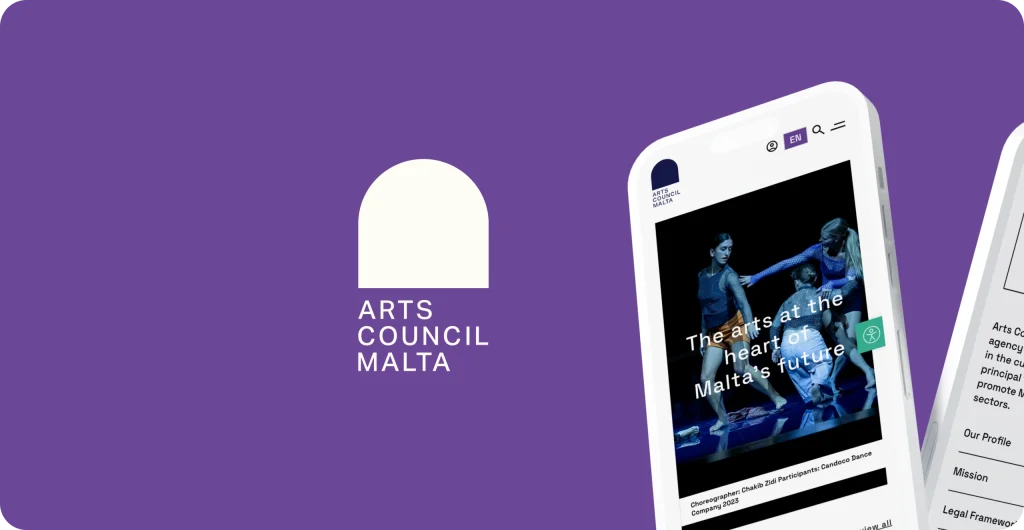
Arts Council Malta: a new digital canvas for Maltese creativity
EVA: building bridges between education and opportunity
Hansa Wines & Spirits: pouring success in a digital age
Xjenza Malta: igniting curiosity through bold rebranding
Identità: forging a timeless identity

Avenue 77: building occupancy through strategic digital marketing